
Learn Your Worker Rights in New York: Essential Guide for Immigrant Workers and Day Laborers
Understanding your worker rights is crucial, especially for immigrant workers and day laborers in New York. This guide aims to empower you with essential knowledge about your rights under New York labor laws, ensuring you can navigate the workplace confidently. Many workers face challenges such as wage theft, unsafe working conditions, and lack of access to legal resources. By learning about your rights, you can take proactive steps to protect yourself and advocate for fair treatment. This article will cover your basic worker rights, how to report violations, employment opportunities for day laborers, the role of community organizing, and resources available to help you assert your rights.
What Are Your Basic Worker Rights Under New York Labor Laws?
Worker rights in New York are designed to protect employees from unfair treatment and ensure safe working conditions. These rights include the right to receive fair wages, work in a safe environment, and be free from discrimination. Understanding these rights is essential for all workers, particularly for Latino immigrant workers who may face additional challenges in the workplace. Knowing your rights empowers you to stand up against violations and seek justice when necessary.
Research further underscores the unique vulnerabilities and occupational health challenges faced by this demographic.
Immigrant Worker Safety & Rights: Urban Occupational Health Challenges
Mexican and Latino/Latina immigrants represent a rapidly growing population within the United States. The majority settle in urban areas. As a group, Mexican immigrants typically have low educational attainment and socioeconomic status, and limited English proficiency. These immigrants often find work in hazardous jobs, with high injury and fatality rates. They often have inadequate or no safety training, no personal protective equipment, limited understanding of workers’ rights, job insecurity, fear of report of undocumented status and lack health care benefits.
Urban occupational health in the Mexican and Latino/Latina immigrant population: a literature review, 2014
Which Labor Protections Apply to Latino Immigrant Workers in NY?
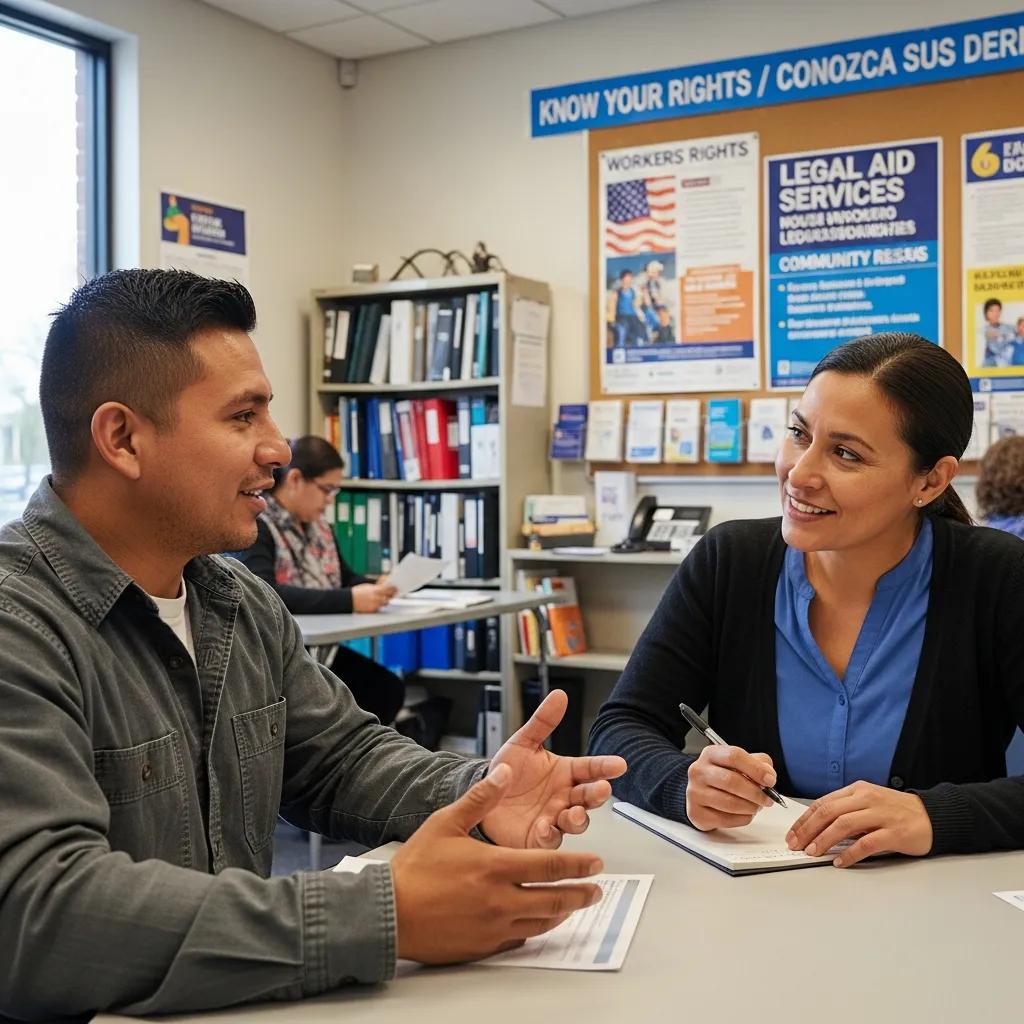
Latino immigrant workers in New York are entitled to the same labor protections as all employees, including minimum wage, overtime pay, and safe working conditions. Specific protections include:
- Minimum Wage: Workers must be paid at least the state-mandated minimum wage, which is currently $15 per hour.
- Overtime Pay: Employees are entitled to overtime pay for hours worked over 40 in a week, typically at a rate of 1.5 times their regular pay.
- Workplace Safety: Employers are required to provide a safe working environment, free from hazards that could cause injury.
These protections are crucial for ensuring that Latino immigrant workers can work without fear of exploitation or unsafe conditions.
How Does New York Define Minimum Wage, Overtime, and Workplace Safety?
New York’s labor laws define several key terms that are essential for understanding your rights:
- Minimum Wage: The minimum wage in New York is $15 per hour as of December 31, 2018, with some exceptions for specific industries and regions.
- Overtime: Overtime pay is calculated at 1.5 times the regular hourly rate for hours worked beyond 40 in a workweek.
- Workplace Safety: Employers must comply with safety regulations set by the Occupational Safety and Health Administration (OSHA) and the New York State Department of Labor to ensure a safe working environment.
Understanding these definitions helps workers recognize their entitlements and advocate for fair treatment in the workplace.
How Can You Report Wage Theft and Labor Violations in New York?
Reporting wage theft and labor violations is a critical step in protecting your rights as a worker. New York provides several avenues for reporting these issues, ensuring that workers can seek justice and recover lost wages.
What Are the Step-by-Step Procedures to File a Wage Theft Complaint?
To file a wage theft complaint in New York, follow these steps:
- Gather Evidence: Collect documentation such as pay stubs, time sheets, and any correspondence with your employer regarding wages.
- Contact the New York State Department of Labor (NYSDOL): You can file a complaint online or by visiting a local NYSDOL office.
- Complete the Complaint Form: Fill out the necessary forms, providing detailed information about your employer and the nature of the violation.
- Submit Your Complaint: Submit your complaint to the NYSDOL, either online or in person, and keep a copy for your records.
- Follow Up: After filing, you may need to provide additional information or attend a hearing regarding your complaint.
These steps ensure that your complaint is properly documented and addressed by the appropriate authorities.
Where Can Immigrant Workers Access Legal Aid and Support Services in NY?
Immigrant workers in New York can access various legal aid and support services to help them navigate labor issues. Some resources include:
- Legal Aid Society: Provides free legal assistance to low-income individuals, including immigrant workers facing labor violations.
- New York State Workers’ Compensation Board: Offers resources and support for workers injured on the job.
- Community Organizations: Many local organizations, such as the Workplace Project, provide advocacy, education, and support for immigrant workers.
These resources are vital for ensuring that workers have the support they need to assert their rights and seek justice.
What Employment Opportunities Exist for Day Laborers in New York?
Day laborers in New York have access to various employment opportunities, particularly in industries such as construction, landscaping, and domestic work. Understanding your rights and available resources can help you secure fair employment.
How to Find and Apply for Day Labor Jobs in NY?
Finding day labor jobs in New York can be done through several methods:
- Local Job Boards: Check community bulletin boards and online job platforms for listings.
- Labor Centers: Visit local labor centers that connect workers with employers seeking day laborers.
- Networking: Connect with other workers and community members to learn about job opportunities.
These strategies can help you find reliable work while ensuring that you are treated fairly.
What Are the Rights and Protections for Day Laborers on the Job?
Day laborers have specific rights and protections that ensure fair treatment in the workplace:
- Right to Fair Pay: Day laborers must be paid at least the minimum wage for their work.
- Safe Working Conditions: Employers are required to provide a safe environment and necessary safety equipment.
- Protection from Discrimination: Day laborers are protected from discrimination based on race, ethnicity, or immigration status.
Understanding these rights is essential for day laborers to advocate for themselves and ensure fair treatment on the job.
How Does Community Organizing Empower Worker Rights in New York?
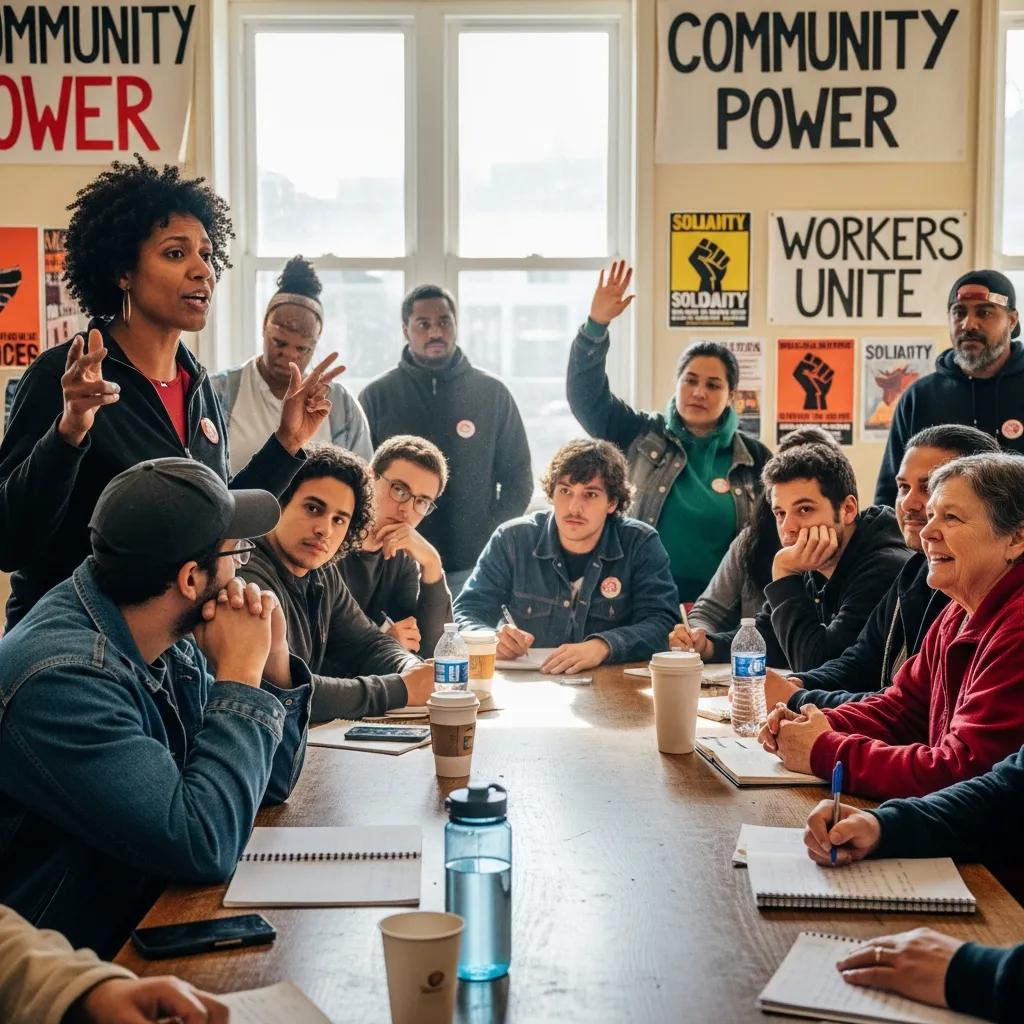
Community organizing plays a crucial role in empowering workers and advocating for their rights. By coming together, workers can amplify their voices and demand fair treatment from employers.
What Role Do Worker Advocacy Organizations Play in Supporting Immigrant Workers?
Worker advocacy organizations, such as the Workplace Project, provide essential support to immigrant workers by:
- Educating Workers: Offering workshops and resources to inform workers about their rights and protections.
- Advocating for Policy Change: Working to influence labor laws and policies that affect immigrant workers.
- Connecting Workers with Resources: Providing access to legal aid, job opportunities, and support services.
These organizations are vital for fostering a supportive community and empowering workers to stand up for their rights.
How Can You Get Involved in Local Labor Rights Advocacy and Education?
Getting involved in local labor rights advocacy can take many forms:
- Volunteer: Offer your time to local organizations that support immigrant workers.
- Attend Workshops: Participate in educational events to learn more about labor rights and advocacy.
- Join Community Meetings: Engage with other workers and advocates to discuss issues and strategies for change.
By participating in these activities, you can contribute to the movement for worker rights and help create a more equitable workplace for all.
What Resources and Tools Help You Understand and Assert Your Worker Rights?
Various resources and tools are available to help workers understand and assert their rights effectively. These resources can provide valuable information and support for navigating labor issues.
Which Bilingual Educational Materials and Infographics Are Available?
Bilingual educational materials are essential for ensuring that all workers can access information about their rights. Some available resources include:
- Infographics: Visual guides that outline worker rights and protections in both English and Spanish.
- Pamphlets: Informational brochures that provide an overview of labor laws and how to report violations.
- Online Resources: Websites offering downloadable materials and resources in multiple languages.
These materials help bridge the language gap and ensure that all workers are informed about their rights.
How Do Interactive Tools and Video Testimonials Enhance Worker Rights Awareness?
Interactive tools and video testimonials can significantly enhance awareness of worker rights by:
- Providing Real-Life Examples: Testimonials from workers who have successfully navigated labor issues can inspire and educate others.
- Offering Interactive Learning: Online tools that allow workers to explore their rights and responsibilities in an engaging way.
- Facilitating Community Engagement: Encouraging discussions and sharing of experiences among workers to foster a supportive environment.
These innovative approaches can help workers better understand their rights and empower them to take action when necessary.